Blog 2: The Mask You Live In

The documentary discussed about some interesting insights such as relatable examples, events and statistics about how men are supposed to behave. There are two mains elements discussed in the documentary that really jumped out to me. One of them is that “boys from the age of 20 to 24 are 7 times more likely to commit suicide compare to women”. I think this statistic caught my attention because 7 times is fairly high rate. Even though I knew beforehand that boys are more reserved in expressing their feelings, I didn’t realize that the suicidal rate would be that high. Additionally, knowing that the age of 20 to 24 is where young adults are actually beginning their life in which they start graduating, building their own career, relationship, etc… But, these young boys still decided to take off their life because of different reasons such as traumas, sexual abuse, bullying, etc… To put it in another way, this statistic reached me with an emotional appeal. I don’t think that anyone of them wanted to actually take off their life. It must be because they couldn’t hold it anymore or that it’s too much for them to handle by their own. Therefore, this statistic really appealed to me and made me realized that I should pay more attention to my surrounding no matter if I personally know them or not.

Apart from the statistic that I mentioned above, another insight that really caught my eyes is that many “boys believe that it is not normal to cry after 10.” This sentence really jumped out to me because I consistently hear this sentence over and over again between my friends, brother, cousin, etc… It is a common phrase that I can’t understand. To put it in another way, we’re all humans which means we all go through some ups and downs in our life. Why do we need to restrict people from expressing their emotional feelings because of “social expectations”? Why can’t boys be weak and cry when they can’t hold it in anymore? On top of that, this documentary has been released in 2015 and I’m sure that there are many movies and documentary out there that discuss on this topic. However, our society knowing that “restricting” boys from expressing their feelings increase suicidal and depression rate on an annually basis. Why people don’t change their attitudes and expectations towards boys? Why marketers still use female for emotional appeal in the ads and they use boys only for “thoughest”?

 “I wish I could speak to that six-year-old version of myself with my beautifully painted nails […] I’m tired of not being able to show affection to my brothers and friends. I’m tired of feeling self-conscious when I kiss or hug my father” (p.82)

I chose this section of Carlos Andres Gomez book because the documentary portrays it really well. In other words, the documentary and the book both has a similar structure. They both starts by explaining the critics and events that they went through as young boys. It’s only at the end of the story and of the documentary that they finally accept who they are and found happiness again. In the quote, Carlos mentioned that he wished that he could went back in time and tell his younger self that he was beautiful, that he wished that he could show affection to his friends and brothers, etc… It means that it’s by going through all these experiences that he realized that he should behave based on himself not by following the society. Similarly, in the “Mask You Live In”, it started with the experiences that the different victims have lived through. For example, we learned that Ian kept pushing himself to fit the manly figure that the others wanted him to be. So, he dated the head cheerleaders, he played sports and he distanced himself from his friends that were more feminine, etc… At the end, he mentioned that he regretted, and he wished that he didn’t distance himself from his old friends. Therefore, this documentary really shows how “social pressure and expectation” could ruin a person, especially young boys who are constantly under pressures and influences.

Blog 2: The Mask You Live In

Jennifer Siebel Newsom’s “The Mask You Live In” contains several interesting aspects of research regarding men. One of them is the finding that boys in the U.S. are 30% more likely than girls to flunk or drop out of school. This surprised me, because I thought the percentage would be even higher! As a perfectionist, I always wanted to get the best grades at school, but I noticed that my friends weren’t often as eager as I was. Being “cool” was more important. I never used to tell my friends about my good grades, as I didn’t want to be seen as a “nerd”. I believe that this might be due to the fact that men often seek to demonstrate and improve their masculinity, even at the cost of their grades and success at school. One such example of the manifestation of masculinity is when partying and drinking. According to the documentary, men are much more likely to binge drink than women. This behavior can be a strong contributor to academic failure.

Another statistic that grabbed my attention was that 25% of boys reported having been a victim of bullying, but that only 30% of them sought help from an adult. I believe that this is due to a popular idea that men must dominate, which can cause them to bully others in order to assert their superiority. Additionally, I think that the reason why less than a third of boys look for support is because men are often taught to be mentally and emotionally strong and deal with problems by themselves. However, this statistic still surprised me, because most of my male friends seek support when they are bullied.

Man Up

A part of Carlos Andres Gomez’s book “Man Up” that stood out for me was when he mentioned, towards the end of Chapter 3, that he was tired of not being able to show affection to his brothers, friends and father, of feeling like he has to hide his emotions and being stigmatized for expressing himself.

“I’m tired of not being able to show affection to my brothers and friends. I’m tired of feeling self-conscious when I kiss or hug my father. I’m tired of feeling like I have to hide my emotion and my sensitivity. I’m tired of being stigmatized for wanting to communicate and express myself.”

Carlos Andres Gomez, Chapter 3 of “Man Up”

The documentary helped me better understand what Gomez meant about showing affection. It showed a man named Steven teaching his son that crying and showing emotion is okay. He tells him not to hide his emotions and that he can show affection for others. He did not have a father present in his life, so it was interesting to see that he believed that a son should be able to cry with his father and confide in him. I believe Steven is the father that Carlos Andres Gomez would have wanted his dad to be!

Blog 2: The Mask You Live In

I learned a lot from watching this documentary. I found it very interesting when they said that men are far more reserved about their emotions than women. They explained how society forces an image that all men need to be strong and show no sympathy, and that anger was the only “acceptable” emotion men could express.

Something else that really surprised me was when they asked the young football player how he would feel if his coach said he played like a girl. To many men that sentence is taken as a big insult since coaches are usually implying that when their player is being soft. This is primarily due to men in society believing that women are the ones who should be sensitive, not men. The coach uses “playing like a girl” as a way of motivating his playing to be more aggressive since the player does not want to seem weak in front of his teammates or anyone watching.

When Carlos visits Zambia, he is very uncomfortable with how different their society is. They are far more accepting to physical contact between the same sex. The reason Carlos has that level of discomfort is because most societies would consider that to be gay. It is seen completely different in America which is why he feels so uneasy. He is scared of being judged or bullied, similar to what we see in the documentary. A lot of men fear opening up about things because it does not meet society’s norms.

Blog 2: The mask you live in

The documentary was great and allowed me to learn a lot of things, it discuss multiples topics about about men in a very interesting way. For example, it really surprised me to see how men who have never been given the chance to express themselves on their masculinity could have a deep analysis and understanding of the wrongs that have hurt them; even if they have commited serious crimes, the prisoners understand that part of the problem comes from the fact that man grows to fit into a very specific mold created by society and if you don’t fit into this mold, you’ll be rejected. I also have been hit by how boys in high school really feels a constant pressure to look strong, confident, stoic and how they can’t show any signs of weakness; but as soon as you allow them to ” open up”, they immediatly allow themselves to show weaknesses and their true-self, which means that everyone undergo the damages of masculinity.

About Gomez’s book, I found the part where he goes to the Palladium during the gay night and where he was intrigued by what he saw pretty close to what the documentary was talking about. Since homosexuality is taboo and no one is allowed to ask about it, when he entered the club,he was introduced to a place where homosexuality was not something to hide and he got really shocked and thought about it multiple days. It is about the same in the documentary where as soon as you start questionning sexuality or not acting strong, rough or something considered as ” manly”, you are considered gay or not man enough.

Blog 2: The Mask You Live In

Although men around the world get a bad reputation, they have been repressed as well. Especially men of colour. There were a couple of things that really surprised me from the documentary, however the main surprising aspect was the statistics shown. I pride myself on being very knowledgeable of discrimination, whether that be racial, gender, religion, or disability discrimination. The third lead cause of death in men is suicide. This statistic made me very upset, society does not allow men to be vulnerable with other people. Thus, if a person is not allowed to be vulnerable with anybody other than themselves, their mental health could be severely impacted. Mental health is not longer a taboo topic, yet it is when a man is involved.

Another thing that surprised me was that not many people in the documentary knew the difference between sex and gender. Sex is what biological genitalia you have and gender is what you feel inside. If you feel like your gender is male then you are male and that is the end of if. Not many people really can understand this. Even to this day not many people grasp the concept of gender.

One thing from Carlos Andres Gomez’s story that really caught my attention was the different type of culture north america has compared to Zambia. In Zambia friends (no matter what gender) could walk around holding hands or with their pinkies intertwined. I think this is very sweet and wholesome. But here in america, especially in the late 1980’s, this would be very taboo. People would not hold hands if they were the same gender, and if they did people would stare and judge. The documentary made me understand why Carlos felt a little uncomfortable at the start. Our society also makes men afraid to show affection because men are supposed to be “strong and stoic”, but in Zambia’s society friendship is cherished. And I think that is beautiful and this is why Andreas was so comfortable while Carlos was a little weary.

blog 2: the mask you live in

A man is known as strong, a fighter and as someone who solves problem. In this documentary, they asked the little boy in the football team what would he feel if his coach told him he was playing like a girl. In my opinion that boy would get destroyed by what his coach said since in our society boys think that girls are weak, soft and sensitive. That young man doesn’t want to be seen as weak next to the other players since that would often contribute for him to get bullied and get called a “pussy” or a “faggot”.

What also caught my attention was the guy that was explaining why he shoot someone six times in a row. As a kid he would get bullied by his father. He started smoking weed then he joined the weed business and had a conflict with someone in there. He killed him because in his head he thought that if he didn’t do it, all his friends would’ve taken away everything he has. He also said that it was the only time he felt like he had power. In my opinion, he only want it to take revenge since as a kid he would always get beat up by his father. Often guys wants to hurt someone else the same way they have been hurt.

In the Carlos Andres Gomez text, Carlos say that in the U.S two guys holding hands or even a little touch would be considered as been gay but when Carlos went to Zambia touching hands between guys was absolutely normal. In my opinion, in the U.S guys are really scared to get called “gay” since in the documentary we see that people often bully gay people since they are afraid of becoming like them.

Blog 2: The Mask You Live In

Watching the film, I was surprised by the huge amount of misogyny that is used by many men which objectifies women and often uses violent wording, to represent sexual attraction. For instance “I would hit that” or “I would tear that up”. Furthermore, I was interested in the idea of the documentarians that merely suspending or expelling children for acting out worsens their issues. It leads to the children feeling as though they have no hope,, and thus continuing their negative streak. This is the same issue as is ongoing in US prisons: they operate from a punitive mindset which leads to a high recidivism rate among criminals as the criminals are only made to feel worse and their core issues are never resolved. Furthermore, with a felony, these people cannot get jobs so it is all the more likely that they will turn to crime for their livelihood. Norway has implemented a rehabilitative prison system, and as such, they have a much lower recidivism rate than that of the US, indicating that this method works (Norway’s recidivism rate is 20% whereas that of the US is 75%). Lastly, I was quite surprised by the statistic that 1 i 4 boys experience bullying but that only 30% tell people about it. 1 in 4 is 25%, this is a lot more than I assumed, and I am unpleasantly surprised that so few of these children had the courage or confidence to tell somebody.

Of Carlos Andres Gomez’s book, I found the aspects of him yearning physical contact with other men interesting, and it relates to the film in that the film documents how men are often discouraged from expressing emotion, and to be stoic. Therefore, showing physical affection would certainly be considered a faux-pas by this old-fashioned standard.

Blog 2: The Mask That You Live In.

Sports are not for weak

In the documentary “The Mask That You Live In”, the first thing that stroke me was the violence use in sports.

It really caught my intention because, as an athlete, I can’t accept such behavior.

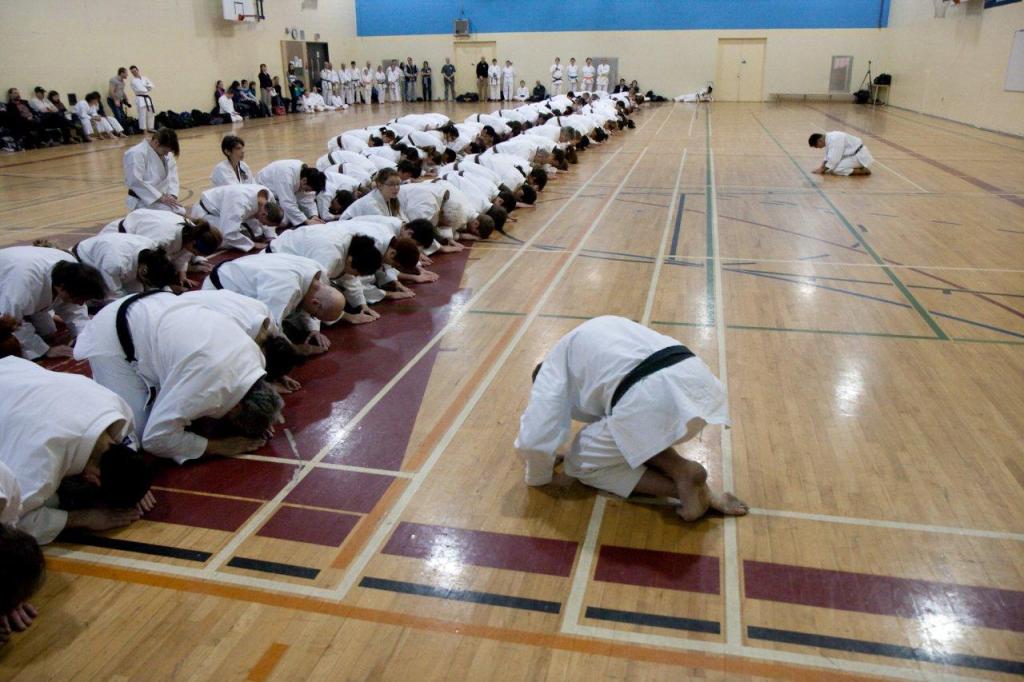
I do karate, a sport where the goal is to hit each other. And even then, we learn to respect each other.

Of course we are here to win, and it is frustrating to loose. But getting mad and yelling at the players won’t fix anything.

When you loose there is only one thing to do, fix what didn’t work and improve what did work. Only training and hard work can do that.

Like my coach always says: “The work is never done.”

Video Game and violence

The second that jumped at me was when they talk about video game.

I firmly think that video game doesn’t encourage violent behavior. It could even reduces them.

In most case, people play video games to be someone that they cannot be in real live. Like a secret agent, a professional hitman or even a super hero.

We know this isn’t reality and that’s why it feel so good. There is no consequence, so why not enjoy it.

Most main character are stoic and without emotion. But it is over shadow by how cool they are.

If you want to feel emotion they are a lot of different media. Video game is suppose to make your heart bounce, make your adrenaline go wild, and make you like a boss.

Since it is so violent, is is a good chance to take all your rage on the game and not on a real person.

The link with Carlos story.

The part of Carlos story that caught my attention was when he spend time in a eastern country.

I founded funny how he was embarrassed with everyone being so open to physical contact.

The documentary explain it by saying that it all come to education.

The main school of thought is that we need to taught our children to be thought and strong.

But we don’t have to stop there. We can also teach them to be kind and how to deal with their emotion in a healthy way.

Happiness bring happiness. Only by surrounding yourself with people who are truly happy that you can see the light in this dark world.

I believe this is something we can learn from eastern country. It is correct to have emotion and to shared them with other.

Blog 2: The Mask You Live In

Man have different attributes and behavior. They can be true and they can be fake, but most men uses their poker face to live their everyday life. The reason for this is Society has a lot of standards for a man, Such as a man can’t be hurt physically nor vocally. Being a man in this world has a lot of standards and once’s you don’t owe some standards of man sometimes society might think of you as different. As a man in this society that hurts a lot being think of as different, but a man cant do nothing with that. He can only change or accept being different. Man can only be true to the people who love them truly. They show their true feelings and true faces. Man do this to received freedom of theirs and to have a better more understanding in this world.

School now days are getting tough day by day, specially for the one that are getting bullied. It is surprising that out of 4 students, 1 student is getting bullied every day, and because of this students are likely becoming more suicidal. They feel the’re not welcome. The’re always afraid of people and worst of all they are avoiding school. Its really hard to get bullied, you loose your confidence or worst dignity. Bullying is one of the most worst cases of our school now days, But if we become more open and more understandable we could counter this case. Being open to some student is really a big thing for them, it shows them how they are really worth it and how they are welcome.

Blog 2: The Mask You Live In

There’s a lot of aspects in the documentary that got my attention. First, how the media demonstrate hyper-masculinity and hyper-femininity. Second, how school standards and hierarchy between boys grows masculinity, meaning how if you don’t play sports, swear, drink or having sex in high school, you can be looked down upon from others, which then you force yourself to do some things you don’t want to do. Third, how sometime schools and its teachers affect the increase in students dropping out in high school. By suspending students because of their bad behavior without knowing why some students are behaving this way. This limits their commitment to education which leads them to dropout.

The first aspect got my attention, because I never realized how the use of colors for example for toys is to seperate the genders. But for the two other aspects, it’s because it was so relatable to me while growing up. However, I didn’t know the magnitude and effect it is causing.

What got my attention in Gomez’s book, is how he doesn’t censor on his past experiences, like the part where he hooks up usually with a girl at his college parties but outside of the parties, they don’t communicate. By watching the documentary I understand better Gomez’s experiences.